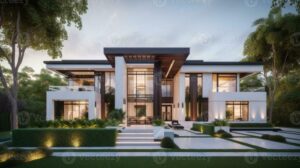
As hybrid work real estate shifts takes center stage, it is reshaping the landscape of how we view and utilize space. The rise of hybrid work models is not just a fleeting trend; it signals a fundamental change in workplace dynamics, influencing both residential and commercial real estate markets. Understanding these shifts is crucial as they redefine the priorities of buyers, renters, and investors alike.
With professionals splitting their time between home and the office, the demand for different types of properties is evolving. This transformation is evident in the increasing interest in homes equipped for remote work and the reimagining of office spaces to cater to flexible working arrangements. In this context, we delve into the significant trends and adaptations occurring within the real estate market.
Overview of Hybrid Work and Its Impact on Real Estate
The concept of hybrid work has emerged as a transformative force within the workplace. Blending remote and in-office work, this model allows employees greater flexibility in how and where they perform their tasks. As businesses adapt to this new reality, the demand for different types of real estate is evolving in tandem, leading to significant shifts in priorities for both residential and commercial properties.The influence of hybrid work on real estate can be seen in the increased demand for homes that accommodate remote work setups and flexible office spaces that cater to part-time in-office employees.
Organizations are reassessing their spatial requirements, leading to a growing trend for properties that can support varied work environments. This shift necessitates that real estate professionals understand and adapt to the changing landscape.
Real Estate Market Trends in a Hybrid Work Era
Current trends in the real estate market reveal notable changes driven by hybrid work setups. As companies embrace flexible working arrangements, certain areas and property types are experiencing a surge in popularity.
- Residential real estate has seen an uptick in demand for homes with dedicated office spaces, particularly in suburban and rural areas, as people seek larger living environments.
- Commercial real estate is witnessing a decline in traditional office space demand, with many businesses opting for co-working spaces or flexible offices.
- Statistics show that urban areas are experiencing a shift in rental prices, with suburban rentals increasing as remote work allows employees to live farther from their offices.
The effects of remote work extend beyond mere location preferences; they reshape the entire framework within which real estate is bought, sold, and rented.
The Role of Smart Homes in Hybrid Work Environments
Smart home technology plays a crucial role in enhancing the hybrid work experience for remote workers. With features that support productivity and comfort, these technologies are becoming increasingly essential in modern homes.
- High-speed internet and smart home devices, such as smart thermostats and automated lighting systems, are pivotal for creating an efficient workspace.
- Home offices equipped with soundproofing features and ergonomic furniture cater to the needs of remote workers seeking a productive environment.
- Investments in smart home technology can significantly influence property values, appealing to buyers seeking homes that support a hybrid lifestyle.
This demand for smart technology underscores a broader trend toward homes that facilitate both personal and professional activities seamlessly.
Commercial Real Estate Adaptations for Hybrid Work
The commercial real estate sector is evolving to meet the demands of hybrid work models. Businesses are seeking environments that promote collaboration while allowing for flexibility.
- Flexible office spaces are designed to accommodate the fluctuating number of employees in a hybrid model, featuring shared workstations and meeting rooms.
- Innovative designs, such as open floor plans and modular furniture, allow companies to quickly adapt spaces for specific team needs.
- Commercial real estate investors face challenges in forecasting the demand for office space, necessitating new strategies for portfolio management.
This evolution presents both challenges and opportunities for real estate professionals as they navigate the shifting demands of the market.
The Luxury Real Estate Market in the Context of Hybrid Work
Hybrid work is significantly reshaping preferences in the luxury real estate market. Buyers are increasingly prioritizing homes that accommodate both work and leisure.
- Luxury homes with dedicated office spaces are in high demand, reflecting the need for functional yet aesthetically pleasing environments.
- Properties featuring amenities such as home gyms, private gardens, and expansive living areas are particularly appealing to those who now spend more time at home.
- The investment potential in luxury properties designed for hybrid living remains strong, as buyers recognize the long-term value of these features.
These insights illustrate how the luxury market is adapting to the needs of modern buyers influenced by hybrid work.
Real Estate Investment Strategies in a Hybrid Work Landscape
Navigating the hybrid work landscape presents unique investment opportunities for real estate investors. A comprehensive approach is vital for capitalizing on market shifts.
- Investors should evaluate properties based on adaptability to hybrid work needs, such as the availability of home office spaces and local amenities.
- Market analytics and demographic studies can provide insights into which areas are experiencing growth due to hybrid work trends.
- Understanding the impact of hybrid work on rental yields and property appreciation can guide investment decisions moving forward.
These strategies are essential for positioning investments effectively within a rapidly changing real estate landscape.
Future Predictions for Real Estate in a Post-Hybrid Work World
As hybrid work continues to influence the real estate market, long-term changes are expected. The landscape of real estate will evolve to cater to the needs of a workforce that values flexibility and connectivity.
- New developments will likely focus on live-work-play environments, integrating residential, commercial, and recreational spaces in one area.
- Smart technologies and sustainable building practices will become integral in new constructions, appealing to environmentally conscious buyers.
- Challenges such as economic fluctuations and changing workforce dynamics will create both obstacles and opportunities for investors in this new era.
This forward-looking perspective emphasizes the necessity for adaptability and foresight in real estate investment strategies.
Closing Summary
In conclusion, the discussion surrounding hybrid work real estate shifts illustrates a profound evolution in how we live and work. As businesses and individuals adapt to these changes, the implications for the real estate market are vast and varied. By keeping a pulse on these trends, investors and buyers can make informed decisions that align with the future of work and living.
Clarifying Questions
What is hybrid work?
Hybrid work is a flexible work model that combines remote and in-office work, allowing employees to choose their work environment.
How does hybrid work affect real estate demand?
Hybrid work increases demand for homes with dedicated office spaces and flexible commercial spaces that accommodate diverse working needs.
What are the benefits of smart homes for hybrid workers?
Smart homes provide enhanced connectivity and automation, making them more suitable for remote work and improving overall efficiency.
Are luxury homes still in demand with hybrid work?
Yes, luxury homes with features catering to hybrid work, such as home offices and spacious environments, are increasingly desirable.
What investment strategies should be considered in a hybrid work landscape?
Investors should focus on properties that cater to hybrid work preferences, evaluating flexibility, location, and amenities that support remote work.